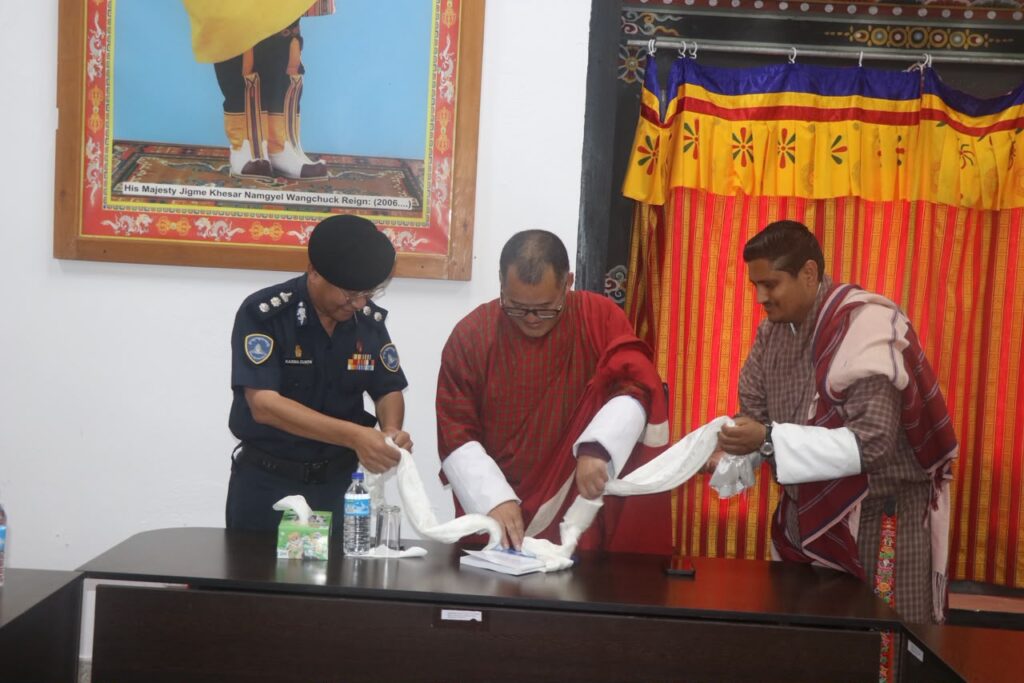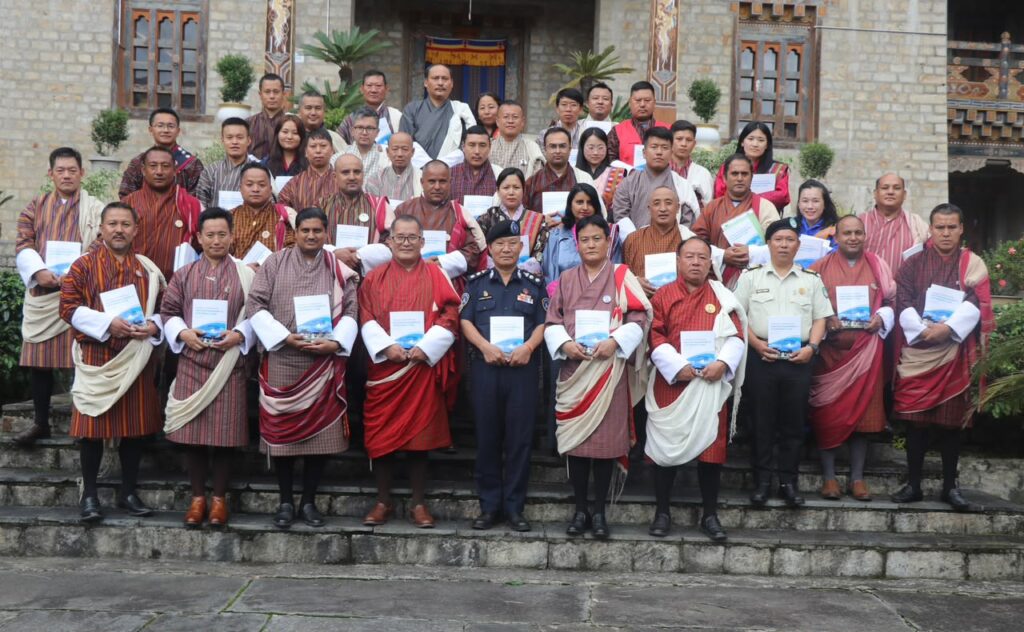
On 22nd June, 2026, Tsirang Dzongkhag officially launched its Disaster Management & Contingency Plan, with the event attended by Gups, Regional Heads, and Dzongkhag Sector Heads.
The 204-page plan is the outcome of nearly a year of consultation, planning, field assessments, and coordinated efforts by various stakeholders. It provides a practical framework for disaster preparedness, response, and recovery across the Dzongkhag.
Why this Plan Matters
As Bhutan’s agricultural heartland, Tsirang faces increasing risks from climate change, including erratic weather patterns, windstorms, landslides, and other hazards. This plan provides clear guidance to help communities and institutions prepare for and respond to emergencies.
Key Features of the Plan
60 Thematic Maps – Identifying evacuation sites, water sources, critical infrastructure, and vulnerable populations across all 12 Gewogs and Damphu Town to support timely emergency response.
Response Procedures – Clearly defined actions for earthquakes, flash floods, forest fires, health emergencies, windstorms, and other disaster situations.
Community-Based Measures – Initiatives such as training local artisans in disaster-resilient construction and improving household electrical safety to strengthen resilience at the community level.
Our Goal
To build a safer and more prepared Tsirang where lives, livelihoods, and development achievements are protected from the impacts of disasters.
While disasters cannot always be avoided, effective planning, coordination, and community participation can greatly reduce their consequences.
The Dzongkhag extends its appreciation to all agencies, local leaders, and community members who contributed to the development of this important document.